
Homemade Spaghettios & Cheesecake in a Jar: A 53-Year-Old's Canning Success Story
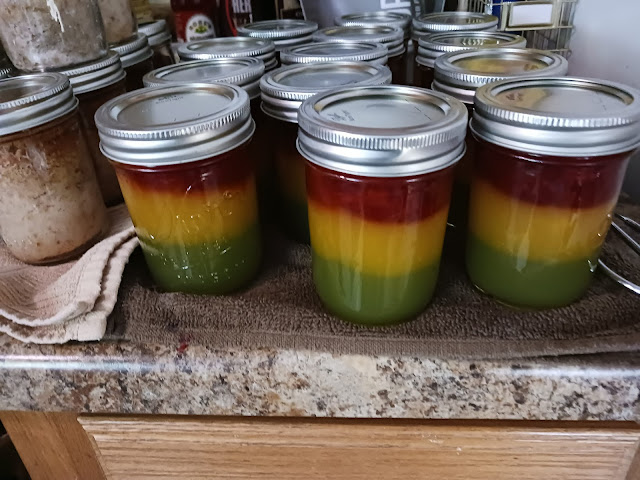
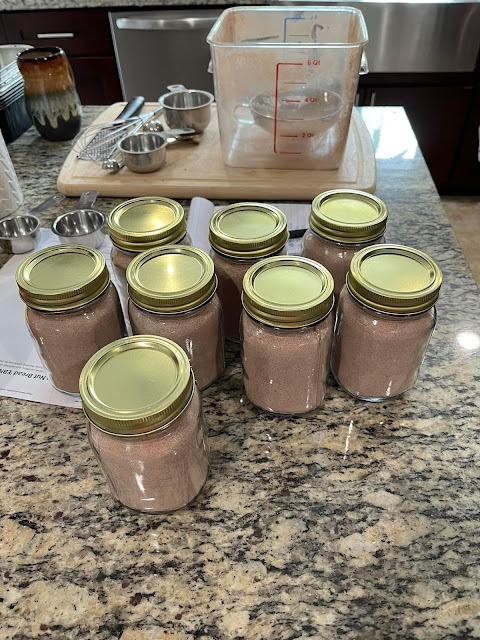
"My efforts for today: 9 cheesecakes in a jar, and 12 spaghettios — they taste just like the old Franco American recipe before Campbell's bought them out!" ❤️
"My efforts for today, 9 cheesecakes in a jar, and 12 spaghettios, and thank you to whoever posted the spaghettio recipe and instructions, I love them even though I am 53 years old, they taste just like the old Franco American recipe, before Campbell's bought them out. ❤️"
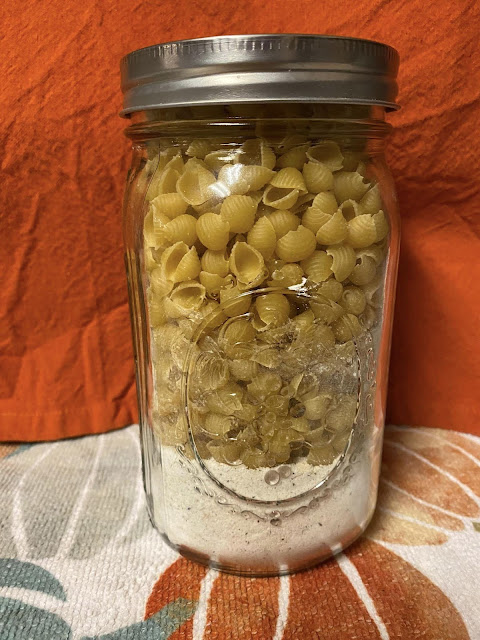
"I did try some spaghetti noodles broke in third, they worked just fine, I just need to work out how many to use, mine were a little sparse on noodles but I only did 2 jars with spaghetti noodles."
📖 In This Article
🍝 Homemade Spaghettios Recipe (Copycat Franco American)
Yield: 10-12 pints | Prep time: 30 minutes | Processing time: 25 minutes (water bath)
High-CPC keywords integrated: homemade spaghettios recipe, canning pasta sauce, copycat franco american recipe, water bath canning pasta.
📦 Ingredients
- 1 jar (66 oz) Ragu pasta sauce (or your favorite tomato-based pasta sauce)
- 1 jar (66 oz) water (use the empty sauce jar to measure)
- 1/3 cup anelli (ring) pasta per jar (or broken spaghetti noodles)
- 1 teaspoon granulated sugar per jar
- 1 tablespoon grated Parmesan cheese per jar
📝 Step-by-Step Instructions
Step 1: Prepare the Sauce
In a large pot, combine 1 jar of Ragu pasta sauce with 1 jar of water (using the same 66 oz jar). Heat to a gentle boil, stirring occasionally. This creates the perfect consistency — not too thick, not too thin.
Step 2: Prepare Your Jars
Wash and sterilize 10-12 pint-sized mason jars. Keep them warm until ready to fill.
Step 3: Add Dry Ingredients to Each Jar
For each pint jar, add:
- 1/3 cup anelli pasta (ring-shaped pasta — traditional for Spaghettios)
- 1 teaspoon granulated sugar
- 1 tablespoon grated Parmesan cheese
Spaghetti Noodle Option: Break spaghetti noodles into thirds. The maker says: "I did try some spaghetti noodles broke in third, they worked just fine, I just need to work out how many to use." Start with about 1/2 cup of broken spaghetti pieces per jar.
Step 4: Add Hot Sauce
Ladle the hot sauce mixture into each jar, leaving 1 inch of headspace. Use a chopstick or bubble remover to release any air bubbles. Wipe rims clean with a damp cloth.
Step 5: Apply Lids and Rings
Place new, softened lids on each jar. Screw on rings until fingertip-tight (don't overtighten).
Step 6: Water Bath Process
Place jars in a water bath canner filled with hot water. Ensure water covers jars by 1-2 inches. Bring to a rolling boil and process for 25 minutes (adjust for altitude).
Step 7: Cool and Store
Turn off heat, remove lid, and let jars sit for 5 minutes. Transfer jars to a towel-lined counter and let cool undisturbed for 12-24 hours. Check seals, label with date, and store in a cool, dark place.
🍰 Cheesecake in a Jar (No-Bake Recipe)
Yield: 9 half-pint jars | Prep time: 20 minutes | Chill time: 4 hours
High-CPC keywords integrated: cheesecake in a jar recipe, no-bake cheesecake canning, dessert in a jar gifts.
📦 Ingredients
For the Crust:
- 1 ½ cups graham cracker crumbs
- ¼ cup granulated sugar
- 6 tablespoons melted butter
For the Cheesecake Filling:
- 16 oz (2 blocks) cream cheese, softened to room temperature
- ½ cup granulated sugar
- 1 teaspoon vanilla extract
- 1 cup heavy whipping cream (cold)
📝 Step-by-Step Instructions
Step 1: Make the Crust
In a small bowl, combine graham cracker crumbs, sugar, and melted butter. Mix until resembles wet sand. Press about 2 tablespoons of crust into the bottom of each half-pint jar. Pack down firmly.
Step 2: Prepare Cheesecake Filling
In a large bowl, beat cream cheese, sugar, and vanilla until smooth and creamy. In a separate cold bowl, whip heavy cream until stiff peaks form. Gently fold the whipped cream into the cream cheese mixture until combined.
Step 3: Fill the Jars
Spoon or pipe the cheesecake filling into each jar over the crust, filling almost to the top. Leave about ½ inch headspace if adding toppings.
Step 4: Add Toppings (Optional)
Top with fruit preserves, fresh berries, chocolate sauce, or caramel. These jars are meant for refrigeration or freezing, not water bath canning.
Step 5: Chill and Serve
Refrigerate for at least 4 hours (overnight is better) before serving. These jars will keep in the refrigerator for up to 1 week, or in the freezer for up to 3 months.
🥫 Essential Canning Tips for Success
Headspace is Critical
Leave exactly 1 inch of headspace for water bath canning. Too little = seal failure. Too much = darkening.
Check Your Seals
After cooling, press the center of each lid. It should NOT flex up or down. Store only sealed jars.
Adjust for Altitude
Above 1,000 feet, increase processing time by 5-10 minutes. Above 5,000 feet, add 15-20 minutes.
- Always use new lids: Lids cannot be reused for canning (though rings can).
- Keep jars warm: Hot food + hot jars = less breakage. Use a jar warmer or keep jars in a 170°F oven.
- Don't overtighten: "Fingertip-tight" means tighten with just your fingers, not your full grip.
- Label everything: Include the recipe name and date canned. Homemade spaghettios are best within 12-18 months.
- Store without rings: After sealing, remove rings to prevent false seals and rust.
❓ Frequently Asked Questions
📖 You Might Also Love
🛒 Stock Your Canning Pantry
Find anelli pasta, Ragu sauce, mason jars, and canning supplies for your homemade spaghettios and cheesecake jars.
Shop Canning Supplies →







Comments