
6 Jars of Frozen Farm-Fresh Eggs: Safe to Eat After Years in the Freezer?
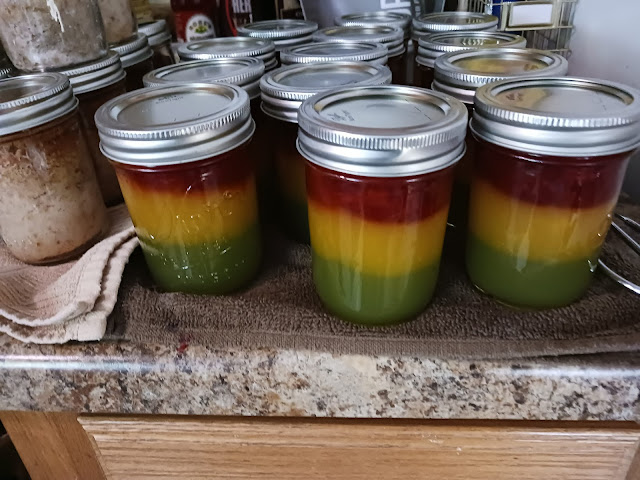
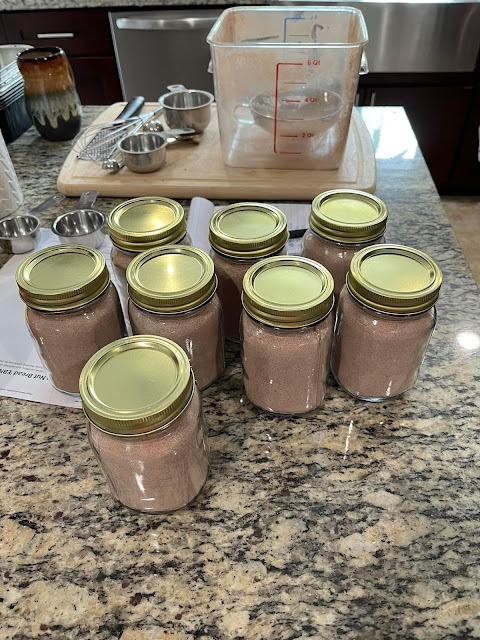
"I have 6 jars of farm fresh eggs that have been in the freezer for a few years. I thawed and opened one and they smell perfectly fine. Should I attempt to cook and eat them?" 🥚❄️

Frozen farm-fresh eggs in jars — thawing and ready for evaluation 🥚❄️
"I have 6 jars of farm fresh eggs that have been in the freezer for a few years. I thawed and opened one and they smell perfectly fine. Should I attempt to cook and eat them? All jars are thawing because I had to defrost the freezer." 🥚❄️
Freezing eggs is a time-honored preservation method for homesteaders and farm-fresh egg enthusiasts. But what happens when those frozen eggs have been sitting in the freezer for years? Is it safe to eat them? This comprehensive guide will walk you through everything you need to know about frozen egg safety, thawing methods, and how to tell if your eggs are still good.
📌 In This Article
🥚 Is It Safe to Eat Eggs Frozen for Years?
✅ The Good News
- According to the USDA, eggs frozen at 0°F (-18°C) are safe indefinitely.
- Freezing prevents bacterial growth completely.
- If the eggs smell fine and show no signs of spoilage, they are likely safe.
- The maker reports: "I thawed and opened one and they smell perfectly fine" — this is a positive sign!
⚠️ The Caveats
- Quality declines over time — texture may be different.
- Thawed frozen eggs are best used in baked goods, scrambled eggs, or omelets — not for fried eggs (the yolks may be grainy).
- Power outages or temperature fluctuations could compromise safety.
- If in doubt, a float test and smell test are your best friends!
🔍 How to Test Your Thawed Eggs for Safety
Step-by-Step Testing Method:
1. Visual Inspection
Check each jar carefully. Look for:
- Mold or discoloration — any black, green, or pink spots are signs of spoilage. Discard immediately.
- Ice crystals or frost — some ice is normal, but large crystals may indicate repeated thawing.
- Jar integrity — cracked jars? The eggs may have been contaminated.
2. The Smell Test (Most Important)
Open each jar and smell. Fresh thawed eggs should smell neutral, slightly sweet, or eggy — NOT sour, sulfurous, or rotten. The maker notes they "smell perfectly fine" — that's excellent news!
3. The Float Test (for whole eggs)
If you froze whole eggs (not beaten), place them in a bowl of water:
- Sinks and lays flat: Fresh, good to use.
- Sinks but stands upright: Still safe but use soon.
- Floats: Bad — discard immediately.
4. Cook a Small Test Amount
Before using all the eggs, cook a small sample (scrambled). Taste a tiny bite. If it tastes normal, the eggs are fine. If there's any off-flavor, discard the batch.
🍳 Best Ways to Use Thawed Frozen Eggs
Baking
Cakes, cookies, muffins
Scrambled Eggs
Perfect for breakfast
Quiche & Frittatas
Mixed with other ingredients
Pancakes & Waffles
Adds richness
Egg Drop Soup
Swirled into hot broth
Deviled Eggs
Works well with thawed yolks
❄️ How to Freeze Eggs Properly (For Next Time)
Whole Eggs
Beat eggs just until blended. Pour into freezer-safe containers or ice cube trays. Label with number of eggs and date. Use within 1 year for best quality.
Egg Whites Only
Pour into containers without beating. Label with number of whites. Great for meringues, angel food cake, and macarons.
Egg Yolks Only
Add 1/8 tsp salt or 1/2 tsp sugar per 4 yolks (to prevent gelation). Label with number of yolks and date.
🍳 Quick Recipe: Perfect Scrambled Eggs (from thawed frozen eggs)
📦 Ingredients
- 4 thawed frozen eggs (or equivalent)
- 2 tablespoons milk or cream
- 1 tablespoon butter
- Salt and pepper to taste
- Optional: cheese, chives, or cooked ham
📝 Instructions
- In a bowl, whisk together the thawed eggs and milk until fully combined.
- Melt butter in a non-stick skillet over medium-low heat.
- Pour in the egg mixture. Let sit for 30 seconds until edges begin to set.
- Using a spatula, gently push cooked eggs toward the center, tilting the pan to let uncooked egg flow to the edges.
- Continue until eggs are softly set but still moist, about 3-4 minutes.
- Season with salt and pepper. Remove from heat — eggs will continue cooking from residual heat.
- Serve immediately with toast or fresh fruit.
❓ Frequently Asked Questions
📄 Quick Reference: Frozen Eggs Safety Guide
╔═══════════════════════════════════════════════════════════════════════╗
║                 FROZEN EGGS SAFETY GUIDE                              ║
║       "I have 6 jars of farm fresh eggs that have been in the freezer"║
╚═══════════════════════════════════════════════════════════════════════╝

✅ SAFE TO EAT IF:
- Eggs were frozen continuously at 0°F
- No cracks or damage to jars
- No off-smell upon thawing (smells neutral or slightly eggy)
- No mold or discoloration
- Passes the float test (sinks)

🔍 HOW TO TEST:
1. Visual check — no mold/discoloration
2. Smell test — not sour or rotten
3. Float test — sinks, doesn't float
4. Cook a small test amount

🥚 BEST USES:
- Baking (cakes, cookies, muffins)
- Scrambled eggs, omelets, quiche
- Egg drop soup, pancakes
- NOT for fried or poached eggs

❄️ FREEZE EGGS PROPERLY:
- Remove from shells first
- Beat whole eggs or separate
- Use freezer-safe containers
- Label with # of eggs & date
- Use within 1 year for best quality

FROM THE MAKER:
"They smell perfectly fine. Should I attempt
to cook and eat them?" — Yes, with proper testing!
🥚 Got Extra Farm-Fresh Eggs?
Find freezer-safe jars, egg storage solutions, and homestead kitchen supplies.
Shop Kitchen Supplies →







Comments