

Violet Salt Recipe: A Foraged Gourmet Seasoning That Adds Fruity Flavor to Any Dish
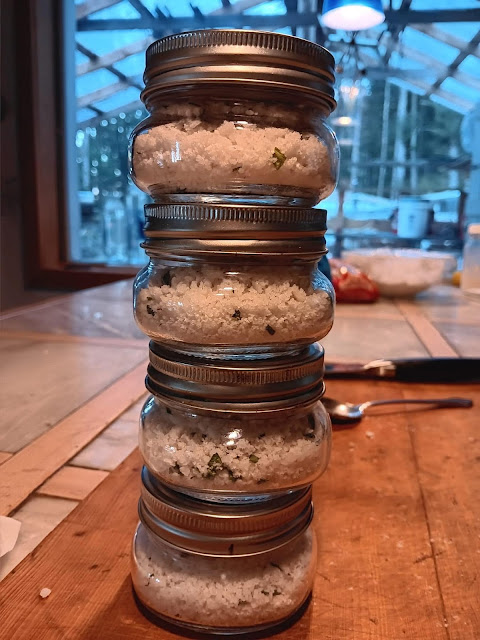
"Decided to make Violet salt, this is less that 24 hours after mixing the two (violet flowers and sea salt) — it adds a fruity flavor to many dishes." 🌸
"Decided to make Violet salt, this is less that 24 hours after mixing the two (violet flowers and sea salt). It will darken as time goes, the flowers as well will become preserved and dried out within the salt, this is of course eatable, I find it adds a fruity flavor to many dishes. I have done similar with many eatable flowers."
— A foraged food enthusiast sharing their first batch of violet salt
High-CPC keywords integrated: violet salt recipe, edible flower salt, foraged seasoning, wild violet uses, homemade gourmet salt, floral finishing salt, edible flower preservation.
Violet salt is one of nature's most beautiful and flavorful gifts. The delicate purple flowers of wild violets (Viola odorata or Viola sororia) impart a subtle, fruity, sweet flavor to sea salt, creating a stunning gourmet seasoning that's as beautiful as it is delicious. Whether sprinkled on roasted vegetables, fresh salads, fish, or even chocolate desserts, violet salt elevates everyday dishes to restaurant-quality.
📖 In This Article
🌸 Why Violet Salt is a Foraged Treasure
Wild violets are one of spring's first edible flowers, carpeting lawns and woodlands with delicate purple, white, or yellow blossoms. Unlike many flowers that are bitter or tasteless, violets have a genuine flavor profile — sweet, slightly fruity, with hints of wintergreen.
When combined with sea salt, the flowers slowly dry and infuse their essence into every crystal. The result is a stunning purple-tinged salt that adds both visual appeal and complex flavor to any dish.
The maker notes: "It will darken as time goes, the flowers as well will become preserved and dried out within the salt." This natural preservation process allows violet salt to last for months or even years.
🌼 Other Edible Flowers for Infused Salt:
- Lavender — floral, slightly sweet
- Rose petals — delicate, perfumed
- Calendula — earthy, peppery
- Nasturtium — peppery, spicy
- Chive blossoms — mild onion flavor
- Elderflowers — honey-sweet, floral
The maker says: "I have done similar with many eatable flowers."
🌸 Violet Salt Recipe: How to Make Foraged Floral Salt
Yield: 1 cup finished violet salt | Prep time: 10 minutes | Drying time: 1-2 weeks | Total time: 1-2 weeks for full infusion
📦 Ingredients
- 1 cup fresh wild violet flowers (about 100-150 blossoms) — purple, white, or yellow varieties
- 1 cup coarse sea salt (or Himalayan pink salt, kosher salt, or fleur de sel)
- Optional: 1 tablespoon dried lavender or rose petals for additional floral notes
🥫 Equipment Needed
- Glass jar with tight-fitting lid (pint-sized or larger)
- Small bowl for mixing
- Spoon or chopstick for stirring
- Fine-mesh strainer (optional, for separating flowers after infusion)
📝 Step-by-Step Instructions
Step 1: Harvest Wild Violets
On a dry, sunny morning, harvest fresh violet flowers from areas that have not been treated with pesticides, herbicides, or chemical fertilizers. Avoid roadside flowers. Pick only the blossoms — you can leave the stems and leaves behind (though violet leaves are also edible and nutritious).
Harvesting tip: Choose flowers that are fully open and vibrant in color. Avoid wilted, damaged, or past-their-prime flowers.
Step 2: Clean the Flowers
Gently rinse the violet flowers in cool water to remove any dirt, tiny insects, or debris. Do not soak — violets are delicate and can become waterlogged. Spread them on a clean kitchen towel or paper towel and pat dry completely. Any excess moisture can cause mold during the infusing process.
Step 3: Layer Salt and Flowers
In a clean, dry glass jar, add a thin layer of sea salt (about ¼ inch). Add a single layer of violet flowers on top of the salt. Repeat this layering process — salt, flowers, salt, flowers — until all ingredients are used. Finish with a layer of salt on top.
Step 4: Seal and Store
Seal the jar tightly with its lid. Place the jar in a cool, dark place (a pantry or cupboard works perfectly). Do not refrigerate — room temperature allows the flowers to dry and infuse properly.
Step 5: Wait and Shake
Wait 1-2 weeks for the full infusion. The maker notes visible color change in less than 24 hours! Gently shake the jar every few days to distribute the moisture and floral oils. The flowers will slowly dry and preserve within the salt, and the salt will take on a beautiful purple tint.
Step 6: Use or Strain (Optional)
After 1-2 weeks, your violet salt is ready to use! You have two options:
- Leave the flowers in: The dried flowers are edible and add visual beauty to the salt. Use as-is for a gorgeous finishing salt.
- Strain out the flowers: If you prefer only the infused salt without visible flower pieces, pour the salt through a fine-mesh strainer. The dried flowers will stay in the strainer, and the fragrant violet salt will pass through.
🍽️ 15+ Ways to Use Violet Salt
The maker says: "I find it adds a fruity flavor to many dishes." Here are creative ways to use your homemade violet salt:
Fresh Salads
Sprinkle on spring greens
Eggs
Finish scrambled or deviled eggs
Fish & Seafood
Delicate floral note with salmon
Roasted Vegetables
Especially asparagus and potatoes
Chocolate Desserts
Sprinkle on brownies or truffles
Shortbread Cookies
Adds subtle floral sweetness
Compound Butter
Mix into softened butter
Popcorn
Gourmet popcorn seasoning
Cocktail Rim
Beautiful on margaritas or martinis
🔬 The Science Behind Floral Infused Salt
Salt is a natural desiccant (drying agent). When fresh flowers are buried in salt, the salt draws moisture out of the petals through osmosis. As the flowers dry, their essential oils, volatile compounds, and natural pigments are absorbed into the surrounding salt crystals.
Wild violets contain ionone (a compound that gives violets their signature scent) and methyl salicylate (a wintergreen-like compound that adds the fruity, sweet flavor note). These compounds are oil-soluble and bind beautifully to the salt.
The result is a naturally preserved, flavorful, and beautiful finishing salt that captures the essence of spring in every crystal.
⚠️ Troubleshooting Common Issues
- Mold appearing: This means flowers weren't dry enough before adding to salt. Discard the batch, dry flowers more thoroughly next time, and ensure your jar is completely dry.
- No color change after 1 week: Be patient! Some violets (especially white or lighter varieties) don't transfer as much color. The flavor will still be there.
- Salt clumping: This is normal from the flowers' moisture. Break up clumps with a fork or shake vigorously. The salt will dry out completely within 2 weeks.
- Flowers turning brown/black: This is normal! The flowers oxidize as they dry. The maker notes: "It will darken as time goes" — this is expected and safe.
❓ Frequently Asked Questions
🎁 Violet Salt Makes a Beautiful Homemade Gift
Violet salt is an impressive, thoughtful, and inexpensive homemade gift for food lovers, gardeners, and foragers. Package it in small glass jars with ribbon and a handwritten label. Include serving suggestions on the tag:
- "Sprinkle on roasted vegetables, fresh salads, eggs, or chocolate desserts."
- "A foraged treasure from wild violets — adds a fruity, floral note to any dish."
The maker notes the visible color change in less than 24 hours, which makes this a quick and rewarding project with beautiful visual results!
📖 More Edible Flower & Foraged Recipes
🌸 Ready to Make Your Own Violet Salt?
Find coarse sea salt, glass jars, and foraged recipe books to inspire your edible flower creations.
Shop Foraging & Salt Supplies →







Comments