
🌿 Homemade Herbal Salves & Balms
Infused-Oil Skin Care You Can Make Each Autumn

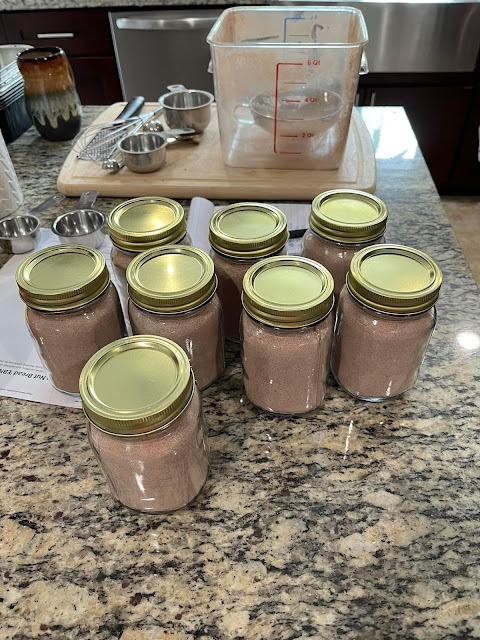
🌿 A batch of homemade herbal salves, poured into saved odds-and-ends jars
🌿 In This Article
Every autumn, one of my favorite traditions is stocking the shelves with homemade herbal salves, balms, and chapsticks to last the family through the year. The secret starts months earlier: over summer, I grow (and buy) herbs and let them slowly infuse in oil. By the time cooler weather arrives, that golden, herb-rich oil is ready to become nourishing skin care.
Tonight's batches were violet leaf + plantain leaf, and a second blend of calendula + chamomile + lavender + yarrow + plantain. I poured them into about a dozen odd-ball jars I'd saved from random things — because part of the joy is that it's cheap, natural, and I know exactly what's in them.
🌿 These simple salves get used for everything from dry, chapped skin to minor everyday scrapes. They're a lovely, thrifty way to bring your garden into your daily routine.
🌱 Why Make Your Own Salves?
Wonderfully Cheap
A little dried herb and oil makes many jars — far less than store-bought balms, especially with saved jars.
Simple & Natural
Just herbs, oil, and beeswax — no long ingredient lists or hard-to-say additives.
You Know What's In It
When you make it yourself, there are no mystery ingredients — you control every part.
🌼 The Herbs I Love to Use
You can mix and match, but here are the herbs in tonight's batches — all traditionally loved for gentle skin care:
- Calendula — a classic favorite, traditionally used to soothe and comfort the skin.
- Chamomile — gentle and calming, long used in skin-soothing preparations.
- Lavender — beloved for its scent and its place in calming skin care.
- Yarrow — a traditional herb in folk skin-care blends.
- Plantain leaf — a common backyard "weed" valued in folk traditions for soothing irritated skin.
- Violet leaf — soft and mild, a lovely addition to a gentle salve.
🌞 Step 1: Infuse the Oil (Over Summer)
- Dry your herbs. Use fully dried herbs — moisture in fresh herbs can spoil the oil.
- Fill a jar. Add your dried herbs to a clean glass jar, then cover completely with a carrier oil like olive, sunflower, or sweet almond.
- Infuse slowly. Set the jar in a warm spot and let it infuse for about 4-6 weeks, giving it a gentle shake now and then.
- Strain. Pour the oil through cheesecloth to remove the herbs. You're left with a rich, golden infused oil ready for salves.
🌞 Tip: This is why summer is salve-prep season — you start the slow oil infusions while the herbs are plentiful, so they're ready to turn into balms come autumn.
📝 Step 2: Make the Salve
- Measure your oil and beeswax. A good starting ratio is about 1 part beeswax to 4-5 parts infused oil (more beeswax = firmer salve).
- Melt gently. Warm the infused oil and beeswax together in a double boiler, stirring until fully melted. Keep the heat low.
- Test the texture. Dip a cold spoon in, let it set for a moment, and check firmness. Add a little more oil for softer, or beeswax for firmer.
- Pour into jars. Carefully pour the warm mixture into clean jars or tins and leave undisturbed to set.
- Label and store. Write the herbs and date on each jar. Store in a cool, dark place.
💄 Make chapstick too: Pour the same warm mixture into empty lip-balm tubes or tiny tins for a handy herbal chapstick. A slightly firmer ratio works best for tubes.
❓ Frequently Asked Questions
❓ What's the difference between a salve and a balm?
Both are oil-and-beeswax based. A salve is usually a bit softer; a balm is firmer with more beeswax. Same basic recipe — just adjust the beeswax.
❓ Why infuse the oil over summer?
A slow, warm infusion over several weeks gently draws the herbs into the oil without high heat — ready for salve-making by autumn.
❓ How long do homemade salves last?
Kept cool and dark in sealed jars, well-made salves usually keep about a year. Toss any that smell off or change texture.
❓ Which herbs are good for skin salves?
Calendula, chamomile, lavender, yarrow, plantain, and violet leaf are all popular, traditionally valued for gentle, comforting skin care.
❓ Are these safe for babies or diaper rash?
Herbal salves are traditionally used for dry or irritated skin, but baby skin is sensitive — always patch test and check with your pediatrician before using any homemade product on an infant.
📄 Printable Herbal Salve Guide
============================================
        HERBAL INFUSED-OIL SALVES
============================================

STEP 1 - INFUSE OIL (SUMMER):
- Fill a jar with DRIED herbs
  (calendula, chamomile, lavender,
   yarrow, plantain, violet leaf)
- Cover with carrier oil
- Infuse 4-6 weeks in a warm spot
- Strain out the herbs

STEP 2 - MAKE SALVE (AUTUMN):
- 1 part beeswax : 4-5 parts infused oil
- Melt gently in a double boiler
- Test firmness on a cold spoon
- Pour into clean jars/tins, let set
- Label with herbs + date

REMEMBER:
- External use, dry herbs only
- Patch test before regular use
- Check with a doctor for babies
- Store cool & dark; lasts ~1 year








Comments