


🥩 176 Pints of Beef Tallow
A Monumental Rendering Day – 300 lbs of Pastured Beef Fat

🥩 176 pints of golden beef tallow — a day of hard work and abundant nourishment.
📌 In This Article
🥩 The Epic Tallow Rendering Day
176 pints of pastured beef tallow! All in one day. 300 lbs of beef fat rendered. 🥩✨
From My Kitchen: "I woke up before dawn, ready for a day of hard work. 300 pounds of rich, pastured beef fat waited for me — a gift from our grass-fed cattle. The kitchen filled with the warm, savory scent of rendering tallow, and by the end of the day, I had 176 pints of liquid gold. It was exhausting, rewarding, and absolutely incredible." 🥩❤️
There's something deeply satisfying about transforming raw fat into a nourishing pantry staple. Beef tallow has been used for centuries as a versatile cooking fat, and it's making a well-deserved comeback. From frying and roasting to making the crispiest potatoes, tallow is a kitchen treasure.
This day was months in the making. We raised pastured cattle, saved the fat, and prepared for the big render. It's a labor of love — messy, hot, and time-consuming — but the results are absolutely worth it. 176 pints of tallow will nourish our family for years to come.
💬 "176 pints of pastured beef tallow! All in one day. 300 lbs of beef fat rendered." 🥩✨
💪 Why Render Your Own Beef Tallow?
- Nutrient-Dense: Pastured beef tallow is rich in vitamins A, D, E, and K, as well as healthy saturated fats.
- High Smoke Point: Tallow has a high smoke point (around 400°F), making it perfect for frying, roasting, and searing.
- Cost-Effective: Buying fat directly from the butcher and rendering it yourself is much cheaper than buying commercial tallow.
- Zero Waste: Using the whole animal is a sustainable and respectful practice.
- Versatile: Use it for cooking, skincare, soap-making, and even candle-making.
- Long Shelf Life: Properly rendered and canned, tallow lasts for years without refrigeration.
📝 Beef Tallow Rendering Process
Yield: Approximately 176 pints (from 300 lbs fat) | Prep time: Varies | Render time: Several hours
What You'll Need
👩🍳 Step-by-Step Rendering Instructions
1 Prepare the Fat
Cut the beef fat into small, uniform pieces (about 1-2 inches). This increases surface area and helps the fat render more evenly. Remove any bits of meat or connective tissue — they can cause the tallow to go rancid more quickly.
2 Choose Your Method
There are two main methods for rendering tallow:
- Dry Rendering: Place the fat in a heavy-bottomed pot over low heat. Stir frequently as the fat melts and the water evaporates. This method takes longer but produces a purer tallow.
- Wet Rendering: Add a small amount of water (about 1 cup per 5 lbs fat) to the pot. This helps prevent scorching and makes the process more forgiving. The water will evaporate as the fat renders.
For 300 lbs of fat, we used a combination of large stock pots and outdoor burners to handle the volume.
3 Render the Fat
Heat the fat over medium-low heat, stirring occasionally. The fat will slowly melt and separate from the solids. Do not rush this process — high heat can scorch the tallow and give it an off-flavor.
As the fat melts, skim off any foam or impurities that rise to the surface. These are bits of connective tissue and water that should be removed for a clean, pure tallow.
4 Strain the Liquid
Once the fat is completely melted and the solids have turned golden brown (the "cracklings"), it's time to strain. Line a fine mesh strainer with cheesecloth and carefully pour the hot liquid fat through it into a clean container.
5 Can the Tallow
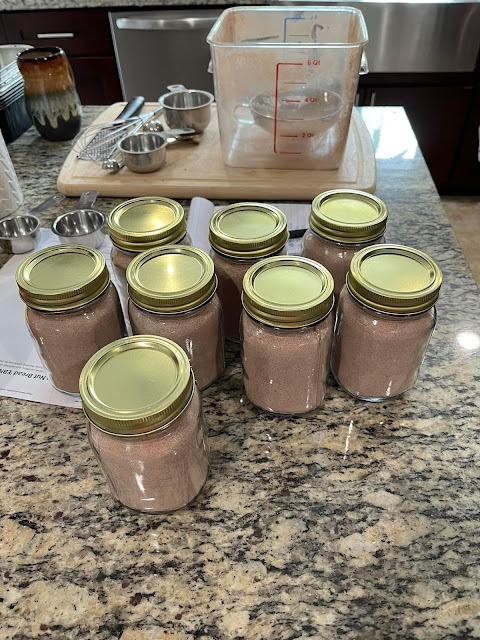
While the tallow is still hot and liquid, carefully pour it into sterilized pint jars, leaving about ¼ inch of headspace. Wipe the rims clean, apply lids, and process in a boiling water bath for 10 minutes (or simply allow to cool and seal).
6 Enjoy the Fruits of Your Labor
After an epic day of rendering, you'll have jars of golden, pure tallow ready to use. It's a true labor of love that will nourish your family for months to come.
🧑🍳 Ways to Use Your Homemade Tallow
🥩 Versatile Tallow Uses:
- Frying: The best fat for crispy fried chicken, fries, and doughnuts.
- Roasting: Coat vegetables or potatoes before roasting.
- Baking: Use in pastries, pie crusts, and biscuits.
- Skincare: Whipped tallow balm for dry skin.
- Soap-making: A classic base for traditional soap.
- Emergency Candle: Tallow candles burn clean and bright.
✨ Pro Tips for Perfect Tallow Rendering
- Use pastured fat: The flavor and quality of tallow are directly related to the quality of the fat. Pastured beef produces the best tallow.
- Go low and slow: Rendering is a slow process. Low heat prevents scorching and preserves the nutrients.
- Skim, skim, skim: Removing impurities as they rise to the surface results in a cleaner, purer tallow.
- Strain carefully: Multiple strainings (through cheesecloth) ensure a smooth, clear tallow.
- Don't waste the cracklings: The fried bits of connective tissue are a delicious snack — season them with salt and eat them while you work!
- Work with help: Rendering 300 lbs is a multi-person job. Enlist family and friends to make the day more manageable — and more fun!
📬 Stay Connected & Learn
Sign up for our weekly newsletter of new recipes and tips, and receive a FREE printable recipe card collection!
❓ Frequently Asked Questions
Properly rendered and canned, beef tallow can last indefinitely at room temperature. Once opened, it's best to refrigerate for long-term storage.
For the best flavor and quality, use fat from pastured, grass-fed beef. Conventionally raised beef fat can have a different flavor profile.
Tallow is rendered beef fat, while lard is rendered pork fat. Both are wonderful cooking fats with different flavor profiles.
Yes! Whipped tallow balm is incredibly moisturizing and closely mimics the natural oils of human skin.
When the fat has completely melted and the solids have turned golden brown, the rendering is complete. The liquid should be clear and golden.
Final Thoughts
Rendering 176 pints of beef tallow in one day was an epic undertaking. It was hot, messy, and exhausting — but incredibly rewarding. There's a deep sense of satisfaction in transforming raw fat into a nourishing pantry staple that will feed our family for years.
It's a connection to traditional skills, a commitment to using the whole animal, and a celebration of abundance and self-sufficiency. 176 jars of gold — liquid gold, to be exact. 🥩✨
💬 "176 pints of pastured beef tallow! All in one day. 300 lbs of beef fat rendered." 🥩✨
📄 Printable Recipe Card
╔═══════════════════════════════════════════════════════════════════════╗
║                    BEEF TALLOW RENDERING                              ║
║              176 Pints – A Monumental Rendering Day                   ║
╚═══════════════════════════════════════════════════════════════════════╝

YIELD: 176 pints (from 300 lbs fat) | TIME: 1 day

WHAT YOU'LL NEED:
- Pastured beef fat (suet or trimmings)
- Large heavy-bottomed pots
- Fine mesh strainer and cheesecloth
- Canning jars (pint-sized)
- Water (for wet rendering)

INSTRUCTIONS:
1. Cut fat into small pieces (or grind).
2. Render over low heat, stirring frequently.
3. Skim off impurities as they rise.
4. Strain liquid fat through cheesecloth.
5. Pour hot tallow into sterilized jars.
6. Seal and cool (or process in water bath).
7. Store in a cool, dark pantry.

"176 pints of pastured beef tallow! All in one day." 🥩✨
🥩 You May Also Like
© 176 Pints of Beef Tallow – A Monumental Rendering Day 🥩








Comments