
The Ultimate Guide to Homemade Laundry Soap & Fabric Softener: Cleaner Clothes, Lower Cost, Zero Guilt

"Take control of your laundry routine and enjoy the satisfaction of making it yourself."
Managing a family's laundry is never easy – but it doesn't have to be complicated or expensive. If you're tired of commercial detergents loaded with unpronounceable chemicals, overpowering synthetic fragrances, and ever-rising prices, it's time to go back to basics.
Welcome to the world of DIY laundry care. In this ultimate guide, we'll dive deep into making effective, economical, and eco-friendly homemade laundry soap and fabric softener. You'll learn how to mix a few simple, natural ingredients into a powerful cleaner that tackles everyday stains – while taking full control over exactly what touches your family's skin.
Ready to simplify your laundry routine and embrace a cleaner, softer, more mindful way of washing? Let's get started.
📖 Table of Contents
Why Make Your Own Laundry Products? More Than Just Saving Money
The Core Ingredients – What They Are and How They Work
The Classic Recipe: Super-Effective Laundry Powder
Advanced Recipe: Gentle Liquid Laundry Detergent
The Perfect Pairing: Homemade Fabric Softener
Troubleshooting & FAQs – What If Something Goes Wrong?
Cost Comparison: Homemade vs. Commercial Brands
Pro Tips for Maximum Cleaning Power
Selling Your Homemade Laundry Products – Profit Potential
📇 Printable Recipe Card
1. Why Make Your Own Laundry Products? More Than Just Saving Money
Making your own laundry products offers benefits that go far beyond your wallet.
| Benefit | What It Means for You |
|---|---|
| 💰 Significant cost savings | The most obvious advantage. Commercial detergents cost $0.20–$0.30 per load. Homemade powder can cost as little as $0.035 (3.5 cents) per load. |
| 🌿 Complete ingredient transparency | You know exactly what's in your detergent – no hidden chemicals, phosphates, optical brighteners, or synthetic fragrances. |
| 🧺 Gentle on sensitive skin | Simple, natural ingredients are ideal for babies, people with eczema, or anyone with skin sensitivities. |
| 🌍 Environmentally friendly | Less plastic packaging, biodegradable ingredients, and no synthetic chemicals going down the drain. |
| 🧼 Customizable | Add your favorite essential oils for natural fragrance, or adjust the recipe for your specific water hardness. |
2. The Core Ingredients – What They Are and How They Work
Before you start mixing, it's essential to understand what each ingredient does and why it belongs in your recipe.
| Ingredient | Role | Notes |
|---|---|---|
| Washing Soda (Sodium Carbonate) | The heavy lifter. A natural mineral that cuts through grease and stains while softening hard water so soap can work better. | Important: This is NOT the same as baking soda (sodium bicarbonate). |
| Borax (Sodium Borate) | Booster & softener. Stabilizes water pH, helps remove stubborn stains, and has mild antibacterial and deodorizing properties. | Optional but highly recommended for better results. |
| Bar Soap (Castile, Fels-Naptha, or Zote) | The surfactant. Creates suds that lift dirt and oil away from fabrics. Pure Castile soap is the gentlest option. | Must be grated into fine flakes before use. |
| Oxygen Bleach (Optional) | Stain fighter & brightener. Sodium percarbonate (the active ingredient in OxiClean) effectively removes protein stains (sweat, blood) and brightens whites. | Safe for both white and colored fabrics when used correctly. |
3. The Classic Recipe: Super-Effective Laundry Powder
This is the most popular and foolproof recipe – simple to make, easy to store, and incredibly effective.
📋 Recipe (Makes about 8–10 cups)
| Ingredient | Amount |
|---|---|
| Pure natural bar soap (Castile, Fels-Naptha, or Zote) | 1 bar (approx. 5 oz / 140g) |
| Washing soda | 2 cups |
| Borax | 2 cups |
👩🍳 Method
Grate the soap: Wear gloves and use a cheese grater to finely grate the entire bar of soap into a large bowl.
Mix thoroughly: Add the washing soda and borax to the grated soap. Mix well until everything is evenly combined.
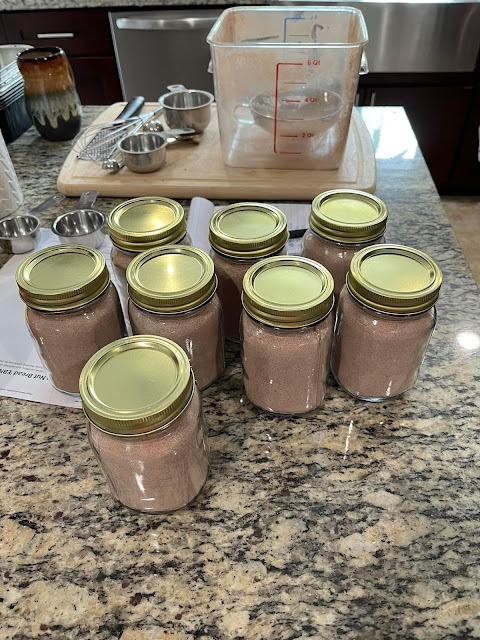
Store: Transfer the mixture to an airtight glass jar or plastic container. Store in a cool, dry place.
Use: For a regular load of laundry, use 1–2 tablespoons of powder. For heavily soiled loads or large machines, you can increase to 2–3 tablespoons.
💡 Pro tip: For HE (High Efficiency) washing machines, 1–2 tablespoons is still the perfect amount – HE machines use less water, so less detergent is needed.
4. Advanced Recipe: Gentle Liquid Laundry Detergent
If you prefer liquid detergent – or your washing machine performs better with it – this recipe is for you.
📋 Recipe (Makes about 1 gallon / 3.8 liters of concentrate)
| Ingredient | Amount |
|---|---|
| Pure natural bar soap (grated) | 1 bar (approx. 5 oz / 140g) |
| Washing soda | 1 cup |
| Borax | ½ cup |
| Hot water | 8–10 cups |
👩🍳 Method
Melt the soap: In a large pot, combine the grated soap with 6 cups of hot water. Heat over medium-low, stirring constantly, until the soap is completely melted and dissolved.
Add powders: Add the washing soda and borax to the pot. Continue stirring until both are fully dissolved.
Dilute & store: Remove from heat. Pour the mixture into a large container (an empty laundry jug works perfectly). Add enough cold water to bring the total volume to 1 gallon (about 3.8 liters). Shake well.
Use: Shake well before each use. For a regular load, use ½ to 1 cup of liquid detergent.
5. The Perfect Pairing: Homemade Fabric Softener
White distilled vinegar is a natural fabric softener and deodorizer that works beautifully with homemade laundry soap.
📋 Recipe
| Ingredient | Amount |
|---|---|
| White distilled vinegar | ½ – 1 cup |
Similar: 12 Months of Homemade Laundry Soap for $20.25: My Money-Saving Journey
👩🍳 Method
Simply pour the vinegar directly into your washing machine's fabric softener dispenser.
Why it works:
Vinegar is acidic, which neutralizes alkaline detergent residues left on fabrics
It dissolves mineral deposits from hard water, leaving clothes softer
It eliminates odors naturally – clothes smell clean, not like vinegar
⚠️ Important: Never mix vinegar with chlorine bleach – it creates toxic chlorine gas.
Similar: Borax for Hair Loss: My Lupus Journey & Natural Scalp Treatment
6. Troubleshooting & FAQs – What If Something Goes Wrong?
1. Why don't my clothes have a scent?
Commercial detergents use synthetic fragrances for that "fresh" smell. Homemade soap leaves clothes smelling clean – not fragranced. If you want a scent, add 10–20 drops of your favorite essential oil (like lavender, lemon, or tea tree) to the finished powder or liquid.
2. Why do my clothes feel stiff?
This usually means detergent residue wasn't fully rinsed out – or you have hard water. Solution: Use white vinegar as a fabric softener (as described above). It breaks down mineral deposits and helps rinse away soap residue.
3. Why did my laundry powder clump?
Soap is naturally hygroscopic (absorbs moisture from the air). Store your powder in an airtight container in a cool, dry place.
4. Will this remove tough stains?
For everyday dirt, yes. For stubborn stains (oil, grass, blood, wine), pre-treat by rubbing a little grated soap directly into the stain before washing. You can also soak in oxygen bleach solution.
5. Can I use this on baby clothes?
Absolutely – the simple, natural ingredients make it perfect for baby clothes. Just make sure to rinse thoroughly.
6. Is this safe for HE washing machines?
Yes! The powder dissolves completely and produces very few suds – perfect for HE machines. Use 1–2 tablespoons per load.
7. Why do my whites look dingy?
Add ½ cup of oxygen bleach (sodium percarbonate) to the wash cycle along with your detergent. It brightens whites without harming colors.
8. Can I use this in cold water?
Yes – but the soap dissolves better and cleans more effectively in warm or hot water. For cold washes, consider using the liquid version, which dissolves more easily.
Similar: Homemade Laundry Soap: Easy, Economical, and Effective!

7. Cost Comparison: Homemade vs. Commercial Brands
Let's look at the numbers – the savings are dramatic.
| Product | Cost per load |
|---|---|
| Premium commercial detergent (e.g., Tide Pods) | ~$0.40 – $0.50 |
| Budget commercial powder (e.g., Xtra) | ~$0.05 |
| Homemade laundry powder | ~$0.035 (3.5 cents) |
The verdict: Homemade powder costs less than 10% of premium brand pods. Even compared to the cheapest commercial powder, you save about 30%.
8. Pro Tips for Maximum Cleaning Power
Follow these tips to get the best results from your homemade laundry products:
| Tip | Why It Works |
|---|---|
| Don't overload the machine | Clothes need room to move so detergent can reach all surfaces. |
| Dissolve powder before adding clothes | Add powder to the drum or dispenser, let water fill, then add clothes – prevents undissolved soap from spotting fabrics. |
| Use warm/hot water for heavily soiled loads | Soap and washing soda are more effective in warm water. |
| Pretreat stains immediately | Rub a little grated soap directly on the stain and let sit for 10–15 minutes before washing. |
| Add a splash of vinegar | Use white vinegar in the rinse cycle for softer, brighter, and odor-free clothes. |
9. Selling Your Homemade Laundry Products – Profit Potential
Homemade laundry products are surprisingly popular at farmer's markets, craft fairs, and online (Etsy, Shopify). Here's the opportunity:
| Sales Channel | Price per batch (8 cups) | Notes |
|---|---|---|
| Farmer's market / Craft fair | $8 – $12 per jar | Package in attractive glass jars with labels |
| Etsy / Shopify | $10 – $15 + shipping | "Small batch, all-natural" sells well |
| Gift sets (with vinegar & essential oil) | $18 – $25 | Perfect for housewarming gifts |
Cost to make 8 cups of powder: ~$1.50 – $2.00
Suggested retail price: $10 – $12 per jar
Profit per jar: $8 – $10
Label requirements (US Cottage Food / Cosmetic):
Product name (e.g., "All-Natural Laundry Powder")
Ingredients list (exact)
Net weight
"For external use only – keep away from children"
"Made in a home kitchen" disclaimer (if applicable)
Affiliate products to link (High RPM):
Cheese grater (for grating soap)
Airtight glass jars (for storage)
Bulk washing soda and borax
Pure Castile soap (bulk)
Essential oils (lavender, lemon, tea tree)
Printable jar labels
10. 📇 Printable Recipe Card
═══════════════════════════════════════════════
   HOMEMADE LAUNDRY POWDER – SIMPLE & EFFECTIVE
═══════════════════════════════════════════════

YIELD: ~8-10 cups (lasts a family for months)

INGREDIENTS:
- 1 bar (5 oz / 140g) pure natural soap (Castile, Fels-Naptha, or Zote)
- 2 cups washing soda
- 2 cups borax

METHOD:
1. Grate the entire bar of soap into fine flakes.
2. In a large bowl, combine grated soap, washing soda, and borax.
3. Mix thoroughly until well combined.
4. Store in an airtight container in a cool, dry place.

USE:
- Standard load: 1–2 tablespoons
- HE washing machine: 1–2 tablespoons
- Heavily soiled load: 2–3 tablespoons

FABRIC SOFTENER:
- Add ½ – 1 cup white vinegar to the rinse cycle.

OPTIONAL:
- Add 10-20 drops of essential oil for natural fragrance.
- For stubborn stains, pre-treat with grated soap.

STORAGE: Airtight container – lasts indefinitely (but use within 1 year).
Now grab your grater and start simplifying your laundry routine today!
Related: How to Make Mullein Salve: A Natural Remedy for Various Skin Conditions
While this salve is generally safe for topical use, those with allergies to pine or rosemary should conduct a patch test before widespread application.








Comments