🌭 Homemade Mustard
Yellow & Spicy Brown – 12 Pints of Condiment Gold
📌 In This Article
🌭 My Homemade Mustard Story
"Now that I've got 15 pints of perfect ketchup on the shelf, it's time to give it a best friend. Homemade mustard – tangy, sharp, and absolutely addictive. This stuff makes store-bought taste like yellow water." 🌭✨
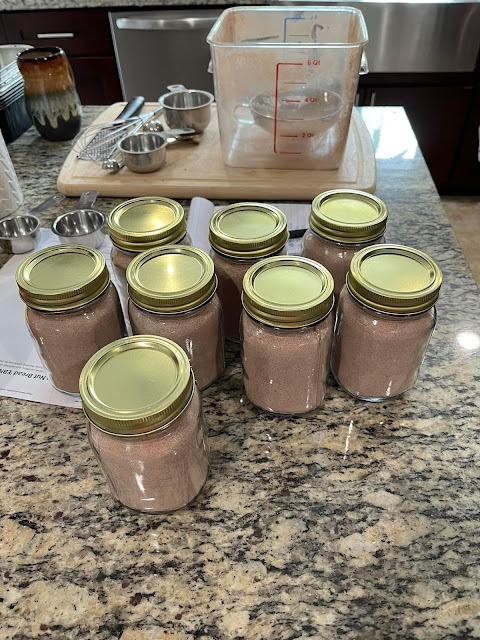
That's exactly how I felt when I pulled my first jars of homemade mustard out of the water bath. The color – a brilliant golden-yellow with flecks of brown seeds. The smell – sharp, tangy, with a warmth that fills the kitchen. And the taste? Bright, complex, and infinitely more satisfying than anything from a plastic squeeze bottle.
Unlike commercial mustards loaded with preservatives and turmeric-heavy colors, homemade mustard is fresh, complex, and customizable. You can make it mild and mellow for the kids, or fiery and sharp for the adults. This recipe yields enough to stock your pantry, gift to friends, and serve alongside your homemade ketchup for the ultimate condiment duo.
💬 What I discovered: "The flavor is a revelation – brighter, more complex, and infinitely more satisfying than anything from a plastic squeeze bottle." Once you make your own, you'll never go back to store-bought.
📦 Ingredients
For 12 Pints of Mustard:
- 🟡 4 cups yellow mustard seeds
- 🟤 1½ cups brown mustard seeds
- 🍎 12 cups apple cider vinegar (5% acidity)
- 💧 6 cups water
- 🟡 ½ cup turmeric (optional, for color)
- 🧄 6 tbsp garlic powder
- 🧅 6 tbsp onion powder
- 🧂 ¾ cup canning salt
- 🍬 1½ cups sugar
💡 Note: For a hotter mustard, increase the brown mustard seeds to 3 cups and reduce yellow seeds to 3 cups. For a milder version, use all yellow seeds.
📝 Step-by-Step Instructions
Prep the Seeds:
- Soak the seeds: In a large glass bowl, combine yellow and brown mustard seeds with 6 cups of cold water. Cover and let soak for 12-24 hours at room temperature. The seeds will absorb the water and soften.
- Blend the base: Transfer the soaked seeds and any remaining liquid to a blender. Add vinegar, sugar, and salt. Blend on high for 2-3 minutes until smooth. For a grainier texture, pulse less.
- Add spices: Add turmeric, garlic powder, and onion powder. Blend until fully incorporated.
Cook and Fill:
- Cook (for milder mustard): Pour the blended mixture into a large stockpot. Bring to a gentle boil over medium heat, stirring constantly (mustard scorches easily). Reduce heat and simmer for 10-15 minutes, stirring frequently, until slightly thickened.
- Skip the cooking for hotter mustard: If you prefer a fiery, sharp mustard, skip the cooking step entirely. Fill jars directly with the cold blended mixture and process immediately.
- Fill jars: Ladle hot mustard into prepared jars, leaving ¼ inch headspace. Wipe rims, apply lids, and screw bands fingertip-tight.
- Process in water bath: Process pints in a boiling water bath for 10 minutes (adjust for altitude).
- Cool and check seals: Remove jars and cool undisturbed for 12-24 hours. Press the center of each lid – no flex means a good seal.
- Rest for flavor: Don't open them yet! Let the mustard rest in the jars for at least 2 weeks before using. The flavors need time to meld and mellow.
🔧 Troubleshooting – What If Something Goes Wrong?
- Too bitter: Overcooked or too many brown seeds. Add 1 tbsp honey per jar when serving to balance.
- Too mild / no heat: Overcooked or used only yellow seeds. Next batch, use more brown seeds and skip cooking.
- Too thin / watery: Not enough seeds or too much liquid. Add ¼ cup dry mustard powder (like Colman's) to thicken.
- Too thick / paste-like: Too many seeds. Whisk in additional vinegar, 1 tbsp at a time.
- Jars didn't seal: Rim not clean or lid defective. Refrigerate and use within 3 months, or reprocess with new lids.
- Grayish color: Not enough turmeric or oxidation. Add more turmeric next time – still safe.
- Separated liquid: Not blended enough. Shake jar before using. Blend longer next batch.
- Too sharp / acidic: Too much vinegar. Add 2 tbsp sugar per quart next batch.
🥫 Water Bath Canning – Safe Preservation
Why acidity matters: The vinegar raises the pH to a safe level for room-temperature storage. Do not reduce the vinegar or use a lower-acid version.
Safety Rules:
- Use vinegar with 5% acidity – check the label
- Don't cut back on vinegar – it's essential for safety
- Don't add low-acid ingredients (fresh garlic, onions) without adjusting vinegar
- Follow processing times exactly – altitude adjustments matter
Altitude Adjustments:
- 0 – 1,000 ft: 10 minutes
- 1,001 – 6,000 ft: 15 minutes
- Above 6,000 ft: 20 minutes
✨ Pro Tips for Perfect Mustard
- Soak the seeds: A full 12-24 hour soak softens the seeds and releases the enzymes that create the mustard's heat.
- Use high-quality vinegar: Apple cider vinegar gives a fruitier, more complex acidity.
- Control the heat: Skip cooking for a fiery mustard; cook for a milder, more mellow flavor.
- Let it rest: The 2-week resting period is essential – flavors need time to meld and mellow.
- Blend longer for smoothness: Up to 5 minutes in a high-power blender for a creamy texture.
- Add fresh herbs for variety: Tarragon, dill, or rosemary add wonderful complexity.
❓ Frequently Asked Questions
❓ How long does homemade mustard last?
Unopened, 12-18 months in a cool, dark pantry. After opening, refrigerate and use within 6 months.
❓ Why is my mustard not yellow?
Yellow mustard gets its color from turmeric. Use less turmeric or more brown seeds for a paler color.
❓ Can I reduce the sugar?
Yes, but sugar balances the acidity. If you reduce it, your mustard may taste more sharp.
❓ Why do I need to soak the seeds?
Soaking softens the seeds and releases the enzymes that create the mustard's heat. It also makes blending easier.
❓ Can I use this recipe for mustard powder?
No – this is a wet mustard recipe. Mustard powder is just ground, dry seeds.
❓ Can I add fresh garlic instead of powder?
Yes – but fresh garlic lowers acidity. Add extra vinegar (about 2 tbsp per clove) to maintain safety.
❓ Why does my mustard have a grayish color?
Oxidation – it's still safe. Add more turmeric next batch for a brighter color.
❓ Can I freeze mustard?
Yes – but the texture may change. Freezing is best for cooking mustard, not table mustard.
📄 Printable Recipe Card
╔═══════════════════════════════════════════════════════════════════════╗
║                    HOMEMADE MUSTARD                                  ║
║              12 Pints of Condiment Gold                             ║
╚═══════════════════════════════════════════════════════════════════════╝

YIELD: ~12 pints | TIME: 3 hours + 2 weeks resting

INGREDIENTS:
- 4 cups yellow mustard seeds
- 1½ cups brown mustard seeds
- 12 cups apple cider vinegar (5% acidity)
- 6 cups water
- ½ cup turmeric (optional)
- 6 tbsp garlic powder
- 6 tbsp onion powder
- ¾ cup canning salt
- 1½ cups sugar

INSTRUCTIONS:
1. Soak seeds in water for 12-24 hours.
2. Blend with vinegar, sugar, and salt until smooth.
3. Add turmeric, garlic, onion powder.
4. (Optional) Bring to gentle boil for 10-15 min.
5. Ladle into jars (¼" headspace).
6. Process pints 10 minutes in water bath.
7. Rest 2 weeks before eating.

STORAGE: Unopened 12-18 months (cool, dark).
          Refrigerate after opening.

💡 PRO TIP: Skip cooking for hotter mustard!
© CanningRebels — Homemade Mustard | 12 Pints of Condiment Gold








Comments